

Plywood formwork is one of those construction topics that sounds more complicated than it is. On most Australian sites, it simply means using sheets of plywood (often on frames) to shape and support wet concrete until it cures.
This guide keeps it plain. What it is, where it works, what to buy, how to set it up, and what usually goes wrong.
What is plywood formwork, in plain terms?
Plywood formwork is temporary moulding made from plywood panels that hold fresh concrete in the right shape. It stays in place while the concrete sets, then it gets stripped off and reused or disposed of.
In Australia, they will see it on slabs, footings, edges, stairs, columns, beams, and retaining wall pours, especially for small to mid-sized jobs where flexibility matters.
Why do Australian builders use plywood formwork so often?
They use plywood formwork because it is adaptable, quick to cut, and easy to patch on site. It also suits the reality of Australian builds where dimensions change, access is tight, and trades need something they can modify without waiting on custom gear.
It can be economical too, particularly when sheets can be reused across multiple pours.
Where does plywood formwork work best on site?
Plywood formwork works best anywhere a simple, clean concrete face is needed without complex curvature. It is common on residential slabs in Sydney’s west, unit developments in Brisbane, and light commercial work around Perth where pours are frequent but not always identical.
They will also use it for steps, kerbs, ramps, and around service penetrations because it is easy to notch and brace.
What plywood should they choose for plywood formwork?
For plywood formwork, they generally want a structural plywood or formwork grade panel that can handle moisture and pressure. In Australia, that usually means looking for sheets that meet relevant Australian Standards for structural plywood and have a suitable bond class for wet conditions.
If they are unsure, they should buy from a reputable Australian timber supplier and ask specifically for concrete formwork use.
What thickness is usually used, and why does it matter?
Thickness matters because fresh concrete is heavy and pushes outward, especially on walls and deep beams. For plywood formwork, thinner sheets can bow between studs, leaving a bulged finish and a struggle during stripping.
Common choices are around 17 mm for general panels, with thicker options where spans are wider or pressure is higher. The framing and bracing matter as much as the sheet.
How do they stop plywood formwork from swelling, sticking, or delaminating?
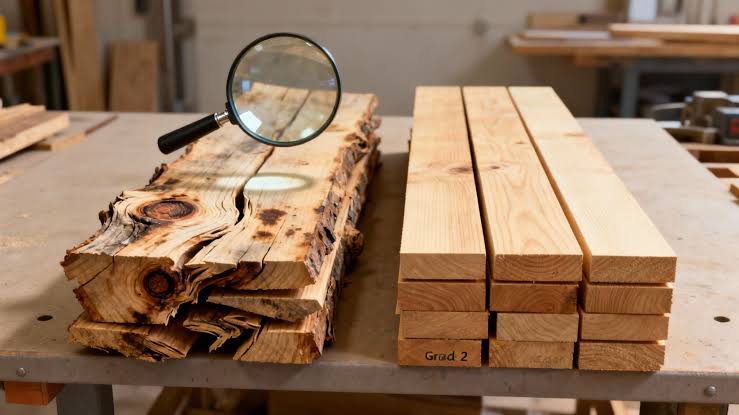
They prevent issues by sealing cut edges, limiting soak time, and using the right release agent. Plywood formwork fails early when water gets into exposed edges, when sheets sit in mud, or when they are pressure washed and left wet.
They should store sheets flat, off the ground, and recoat edges after trimming. Reuse goes up fast when the basics are done.
What is the role of release agents, and what should they avoid?
Release agents help the plywood formwork come away cleanly and protect the face of the plywood. In simple terms, they reduce sticking and surface tearing, and they can improve the finish.
They should avoid overspraying onto reinforcement and avoid products that stain, smell strongly in enclosed areas, or react with certain finishes. On Australian sites, they often follow supplier guidance and project specs, especially on architecturally exposed concrete.
How is plywood formwork actually assembled on a typical Australian job?
They usually build panels by fixing plywood to timber studs or plywood to modular frames, then bracing it to resist concrete pressure. Plywood formwork is only as strong as the bracing, ties, and connections holding it square.
Most site crews will pre-build panels on a flat surface, stand them up, plumb them, and lock them in with walers, stakes, kickers, and ties depending on whether it is a slab edge, wall, or column.
How do they brace and support it so it does not blow out?
They brace it by assuming concrete will push harder than expected. Plywood formwork blowouts happen when spacing is too wide, nails are relied on where bolts or screws are needed, or bracing is an afterthought.
They should add strongbacks, tighten ties, reduce stud spacing, and use solid bearing points into the ground or slab. If it feels springy before the pour, it will feel worse during the pour.
How do they manage joints, corners, and grout loss?
They manage joints by making panels fit properly and sealing gaps before concrete arrives. With plywood formwork, grout loss at joints is one of the main causes of honeycombing and ugly fins.
They can use foam tape, silicone, or purpose-made form seals depending on the job. Corners typically need extra fixing and often an angle or fillet if a chamfer is required.
What finish can they expect from plywood formwork?
They can expect a fairly smooth finish, but it depends on sheet quality, release agent use, and how many times the sheet has been reused. Plywood formwork can produce a consistent face on walls and columns, though they may still see joint lines and tie marks.
If an architectural finish is required, they usually move to higher grade facing plywood, tighter joint detailing, and stricter handling rules.
How many times can plywood formwork be reused?
Reuse depends on handling, storage, and how harsh the strip is. Plywood formwork might give only a couple of uses on rough residential pours if edges are damaged and sheets are dragged, but it can last much longer on organised sites with controlled stripping and cleaning.
They should track which sheets are “good face” and which are “utility” so the best sheets are saved for visible work.
What are the common mistakes that cost time and money?
The most common mistakes are under bracing, rushing joints, and ignoring edge sealing. Plywood formwork also causes problems when they mix sheet thicknesses randomly, use damaged panels on visible faces, or strip too early.
Another costly one is poor alignment. If it is out of plumb, they will spend later on grinding, patching, or explaining to a frustrated client.
Other Resources : 5 pricing mistakes and how to avoid them | SBDC Blog
What safety and compliance points matter in Australia?
They need to treat formwork as a high risk activity because it is. In Australia, they are expected to follow WHS requirements, site specific SWMS, and engineer details where provided, especially for walls, suspended work, or anything with significant height or pressure.
They should also think about manual handling. Sheets are awkward, and repetitive lifting is where injuries sneak in.
When should they consider alternatives to plywood formwork?
They should consider alternatives when repetition is high, finish requirements are strict, or labour time is the biggest cost. For large projects in Melbourne’s inner suburbs or major civil works near Newcastle, modular steel or aluminium systems can outpace plywood quickly.
Still, plywood formwork remains useful as the “gap filler” for irregular areas, penetrations, and custom shapes where standard systems struggle.

What is a simple checklist they can follow before a pour?
They should check line, level, and plumb first, then check strength. Plywood formwork should feel rigid, with no wobble at corners, joints, or kicker points.
A practical pre-pour checklist looks like this:
- Panels tight, joints sealed, corners reinforced
- Bracing complete, stakes solid, ties tightened
- Release agent applied correctly, not flooding the rebar
- Clean out debris, water, and offcuts
- Access clear for the pour and vibration
- Stripping plan understood, with cure time allowed
Related : Concrete Form Plywood: What to Check Before You Order
FAQs (Frequently Asked Questions)
What is plywood formwork in simple terms?
Plywood formwork refers to temporary moulds made from plywood panels used to shape and support fresh concrete until it cures. After the concrete sets, the plywood is stripped off and either reused or disposed of.
Why is plywood formwork commonly used by Australian builders?
Australian builders favour plywood formwork because it is adaptable, quick to cut, easy to patch onsite, and economical. It suits the variable dimensions and tight access typical on Australian construction sites, allowing trades to modify it without waiting for custom equipment.
What type and thickness of plywood should be chosen for formwork?
Structural or formwork grade plywood that meets Australian Standards for moisture resistance and strength is recommended. Typically, sheets around 17 mm thick are used to withstand the pressure of fresh concrete, with thicker options for wider spans or higher loads.
How can swelling, sticking, or delamination of plywood formwork be prevented?
To prevent these issues, seal all cut edges promptly, limit the time sheets are exposed to moisture, store them flat and off the ground, and apply suitable release agents before pouring concrete. Proper handling during stripping also extends reuse life.
How is plywood formwork assembled and braced on site to avoid blowouts?
Panels are fixed to timber studs or modular frames then braced with strongbacks, ties, walers, stakes, and kickers. Adequate bracing assumes concrete pressure will be higher than expected; nails alone are insufficient—bolts or screws are preferred to maintain rigidity and prevent blowouts.
What finish quality can be expected from plywood formwork and how many times can it be reused?
Plywood formwork typically produces a fairly smooth concrete finish with some joint lines and tie marks visible. The finish depends on sheet quality and release agent use. Sheets can be reused multiple times if properly handled, stored, and stripped carefully; otherwise, reuse may be limited to a few pours.
Comments are closed