
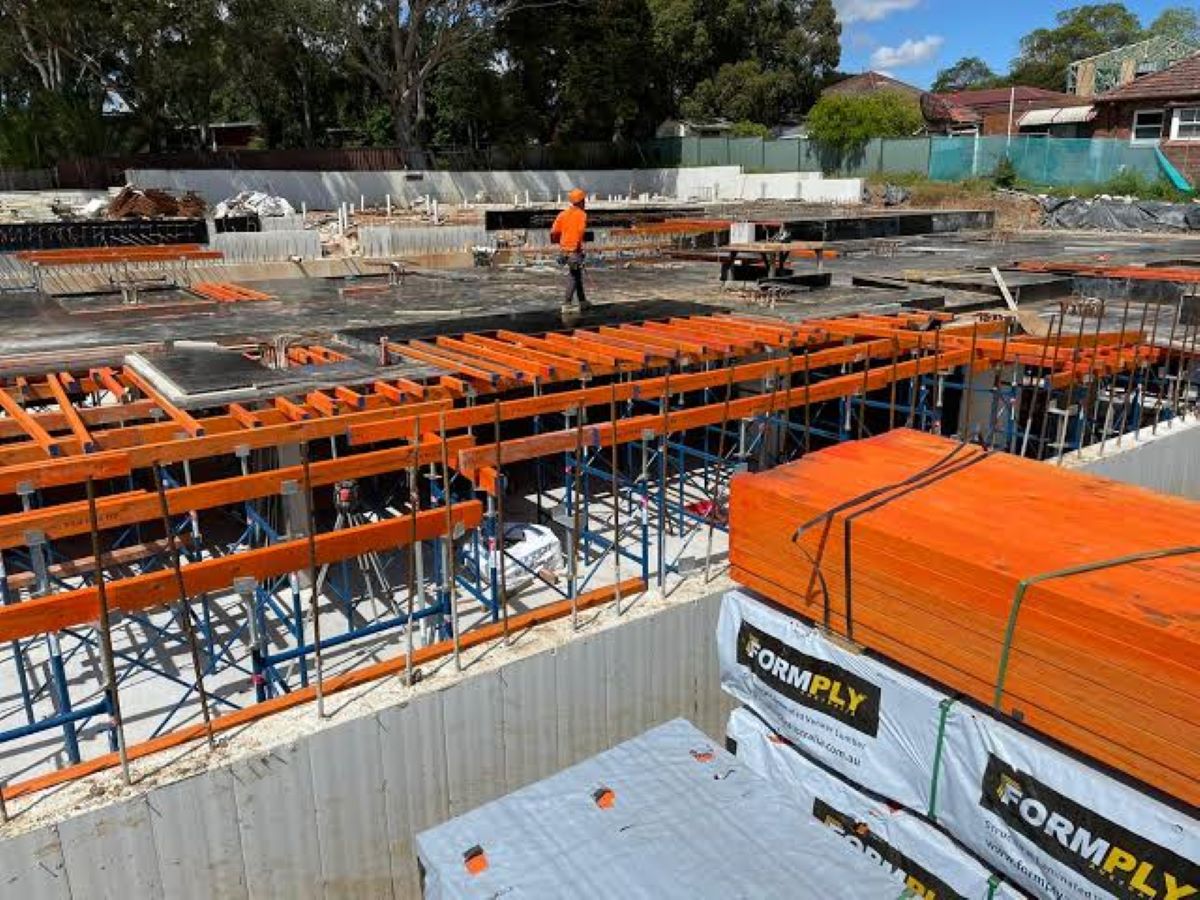
Ordering concrete form plywood sounds simple. Pick a thickness, get a price, book delivery. But in Australia, small spec mistakes show up fast on site. Panels blow out, faces wear early, and edges swell after one wet week in Brisbane or a cold, muddy job in regional Victoria.
This guide breaks down the checks that matter before they order concrete form plywood, with practical questions they can ask any supplier.
What is the formwork job actually asking the plywood to do?
They should define the pour type first, because the form face requirements change. A one-off strip footing in a backyard extension is not the same as repeated wall pours on a commercial site in Parramatta.
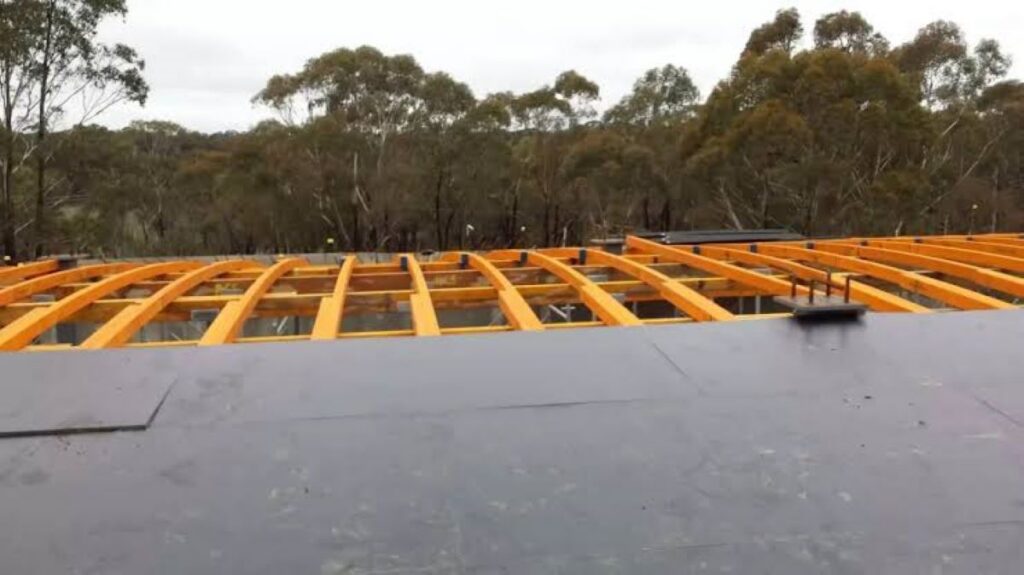
In the first conversation with a supplier, they should say whether it is slabs, columns, walls, beams, or curved formwork. It helps lock in face grade, thickness, and whether higher re-use counts are realistic for that concrete form plywood.
Is the plywood meant to be structural, or just a concrete facing?
They need to know if the panel is carrying load as part of the formwork design, or simply acting as a face over a framed system. Structural use may require specific stress grades and design compliance.
If the builder or formwork contractor has drawings, they should match the panel spec to the engineering notes. If not, they should ask the supplier what the panel is rated for, in Australian terms, not vague marketing language about “heavy duty” concrete form plywood.
Which Australian standards and certifications should they ask for?
They should ask for documentation, not verbal reassurance. For many jobs, they will want evidence around bond performance and suitability for formwork conditions, plus legality of supply into Australia.
They can request test data or manufacturer info on glue bond (A bond exterior), and whether the product aligns with Australian expectations for exterior plywood performance. If a supplier cannot supply anything in writing, that is a risk signal when buying concrete form plywood.
What thickness do they actually need for the spans on site?
They should match thickness to stud spacing and pour pressure, because “standard” varies by crew and region. A common mistake is ordering thin sheets to save money, then over framing the job to compensate.
As a starting point, many Australian formwork crews lean on 17 mm and 18 mm panels for general wall and slab forms, with thicker panels for higher pressures or wider spacing. The right answer depends on span tables and the formwork design, not guesswork with concrete form plywood.
How many re-uses are they expecting, realistically?
They should state a target number of re-uses upfront. Some projects only need two or three cycles, while others want ten plus, and that changes what “value” means.
A cheaper panel can be fine for short runs, especially if labour is available for patching and edge sealing. For higher cycles, they should pay attention to face overlay quality, edge sealing, and core consistency when ordering concrete form plywood.
Is the face film and overlay weight suitable for their finish requirements?
They should ask what kind of face they are getting, because film faced panels vary a lot. The film weight affects abrasion resistance and how long the panel stays smooth.
If the client wants a clean off form finish, they should look for consistent film quality and minimal face defects. If it is going to be rendered or clad, they may not need premium face. Either way, they should confirm the face spec in writing for the concrete form plywood they are buying.
Are the edges factory sealed, and how should they be handled on arrival?
They should confirm edge sealing before ordering, because swelling starts at the edges. Australian sites see plenty of wet weather exposure, even when the forecast looked fine.
They should ask if edges are sealed with paint or resin at the factory, and whether cut edges must be resealed on site. If they plan to rip sheets, they should budget time and materials for resealing to protect the concrete form plywood.
What is inside the core, and will it hold fixings without blowing out?
They should ask about core species and construction, because voids and soft cores cause nail pops, screw pull through, and face dents. This shows up quickly when they strip forms and see bruising and patchy surfaces.
They can ask if the core is hardwood, mixed species, or plantation, and whether it is void free or has allowed core gaps. Better cores cost more, but they behave better across repeated cycles of concrete form plywood use.
Is the sheet size and layout going to minimise waste and joints?
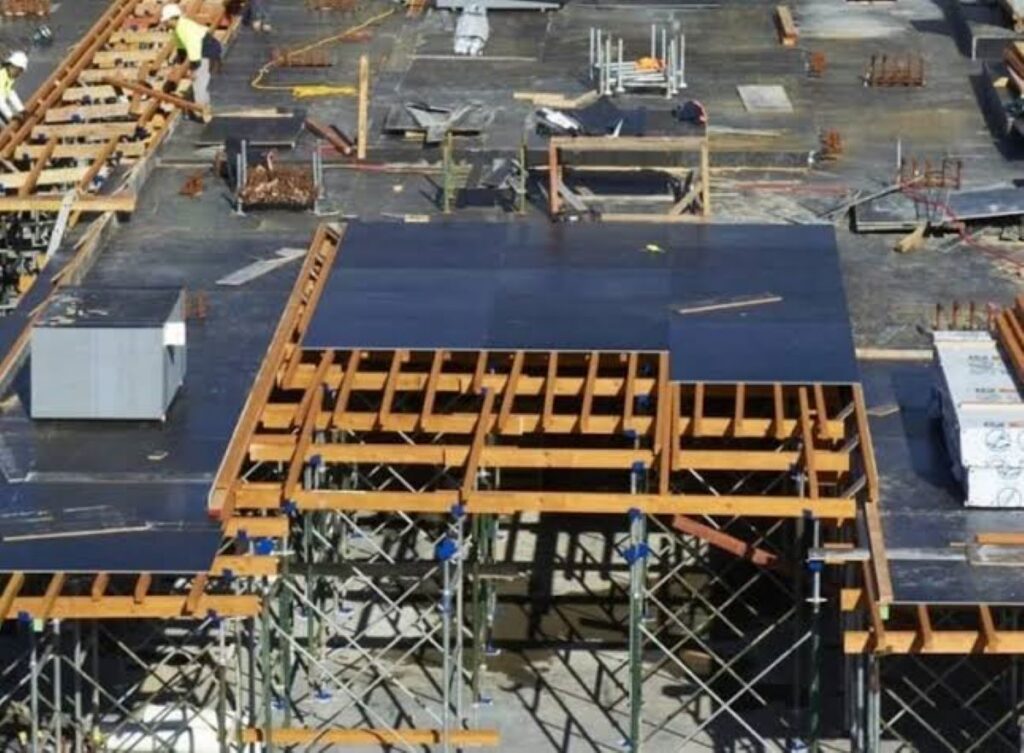
They should map panel sizes against the formwork modules, not just buy whatever is on special. Standard 2400 x 1200 sheets are common, but some suppliers offer longer lengths that reduce horizontal joints.
Fewer joints usually means fewer grout leaks and less time taping or patching. They should also consider whether their crew can handle larger sheets safely. Smart layout planning can make mid range concrete form plywood perform like a premium panel.
What release agent will they use, and is the face compatible?
They should check compatibility because some oils and diesel based habits still float around, and they can wreck overlays or stain concrete. Film faced panels generally want proper form release agents applied consistently.
They should ask the supplier what release agent type is recommended, then align it with site practice. If they are chasing a better finish, they should standardise application rates and cleaning routines for their concrete form plywood.
How will the plywood be stored and transported in Australian weather?
They should plan storage before delivery day. Panels left on bare ground in Darwin humidity or sitting in puddles on a Sydney site will absorb moisture at edges and ends.
They should store sheets flat, off the ground, covered but ventilated, and strapped to prevent warping. If delivery is split across stages, they should confirm how the supplier packs it. Good handling protects the investment in concrete form plywood.
What should they inspect at delivery before signing it off?
They should inspect immediately, because it is harder to argue later once sheets have been cut. A fast check saves a lot of pain.
They should look for delamination at edges, inconsistent film, bubbling, cracks, warping, and corner damage. They should count sheets, confirm thickness, and photograph any defects on the lorry. If anything looks off, they should note it on the delivery docket for the concrete form plywood.
Are they comparing quotes on the same basis, or just chasing the cheapest line item?
They should compare like for like. Two quotes can look similar, but include different overlay grades, different core quality, or different edge sealing.
They should ask each supplier to confirm thickness tolerance, face type, edge seal method, sheet size, and expected re use range. Then they can weigh true cost per pour, not just cost per sheet, when choosing concrete form plywood.
What quick questions should they ask the supplier before placing the order?
They should keep a short checklist and use it every time. It prevents rushed decisions when a pour date is closing in.
They can ask:
- What thickness and face type is it, exactly?
- Is it A bond exterior and what proof is available?
- Is the core hardwood or mixed, and is it void controlled?
- Are edges factory sealed, and what should be resealed on site?
- What re use range is realistic for this panel?
- What is the recommended release agent?
Those answers usually reveal whether the supplier actually understands concrete form plywood, or is just moving stock.
Other Resources : Know what you must do as a supplier
What is the simplest way to avoid ordering the wrong product?
They should align three things before they buy: the formwork design, the finish expectation, and the number of reuses.
If they match those to thickness, overlay, and core quality, most problems disappear. They also end up with fewer delays, fewer patch-ups, and more predictable concrete finishes across Australian conditions, whether it is coastal NSW salt air or inland WA heat.
More to Read : What Goes Wrong When F17 Grade Plywood Is Specified Badly
FAQs (Frequently Asked Questions)
What factors should I consider before ordering concrete form plywood for my project?
Before ordering concrete form plywood, define the pour type (slabs, columns, walls, beams, or curved formwork) to determine face grade and thickness. Understand whether the plywood will be structural or just a facing, check Australian standards and certifications with documentation, and clarify expected re-use counts to select suitable quality and durability.
How do I choose the right thickness of concrete form plywood for on-site spans?
Match the plywood thickness to stud spacing and pour pressure based on span tables and formwork design. In Australia, 17 mm and 18 mm panels are common for general wall and slab forms, with thicker panels used for higher pressures or wider spacing. Avoid under-thicknessing to save costs as it may require over-framing.
Why is it important to verify if the edges of concrete form plywood are factory sealed?
Edges are prone to swelling when exposed to moisture, which is common in Australian weather conditions like wet weeks or muddy jobs. Factory-sealed edges with paint or resin reduce this risk. If sheets are cut on-site, resealing cut edges is necessary to protect the plywood from moisture damage.
What should I know about the face film and overlay weight of concrete form plywood?
The face film weight affects abrasion resistance and how long the panel maintains a smooth finish. For clean off-form finishes, consistent film quality with minimal defects is essential. For applications where panels will be rendered or clad, premium face films may not be necessary. Always confirm face specifications in writing with your supplier.
How can I ensure that the core of the concrete form plywood will hold fixings without damage?
Ask about core species and construction; cores made from hardwood or mixed species that are void-free perform better. Soft cores or those with voids can cause nail pops, screw pull-throughs, and surface dents after stripping forms. Investing in better core quality leads to improved durability across multiple re-uses.
What storage and transportation practices should I follow for concrete form plywood in Australian weather?
Store panels flat, off the ground, covered but well ventilated to prevent moisture absorption at edges and ends. Avoid placing sheets directly on bare ground or puddles especially in humid areas like Darwin or wet climates like Sydney. Confirm supplier packing methods if delivery is staged. Proper handling protects your investment by preventing warping and damage.
Comments are closed