
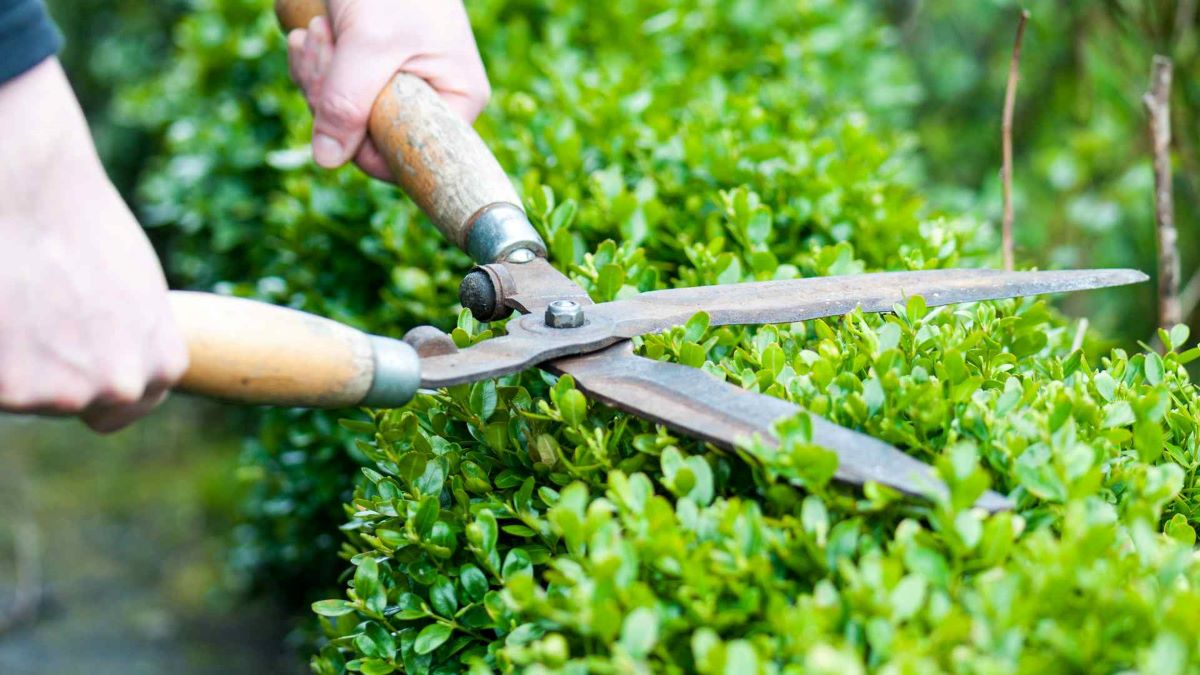
Proper hedge cutting is not just maintenance. It is often the fastest way to make a garden look designed.
What does hedge cutting have to do with garden design?
Hedge trimming sets the garden’s boundaries, sightlines, and rhythm in a way few other tasks can. Once edges and shapes are clean, paths look straighter, beds look fuller, and focal points feel more obvious.
Design choices become easier because the space has clear geometry to work with. Without that structure, even expensive planting can look messy.
How can they use hedges to “frame” the garden?
They can treat hedges like picture frames that guide attention toward something worth seeing. A trimmed hedge can frame a lawn, a seating area, a sculpture, or even a single ornamental tree.
The key is consistency. If one hedge edge is crisp and the next is shaggy, the frame effect breaks. A uniform cut makes the garden feel intentional, even if the planting style is relaxed.
Which hedge shapes make a garden look bigger?
Simple shapes usually create the biggest sense of space. Straight planes and gentle curves read as confident, and they help the eye travel without getting stuck on visual clutter.
They can also keep the hedge slightly narrower at the top than the bottom. This subtle taper prevents shading, keeps growth dense, and makes the line look cleaner from a distance.
When should they cut hedges to support healthy, dense growth?
Timing depends on species, but the design goal is the same: dense, even coverage with no bare patches. Regular, lighter trims usually create better structure than rare, aggressive cuts.
They should avoid cutting so hard that old wood is exposed if the hedge species does not reliably regrow from it. A hedge that fails to leaf back creates holes that disrupt the entire design.
How do clean hedge lines improve paths and borders?
Clean lines make paths look like a design choice rather than an afterthought. When a hedge edge runs parallel to a path, even a simple gravel or mulch path can look premium.
They can use hedges to define bed edges too. A low, neatly trimmed hedge can replace edging materials, soften hard lines, and make planting beds look more organized.
How can they create “outdoor rooms” using hedges?
They can use hedges as living walls to divide areas for dining, relaxing, or play. Even a medium-height hedge can create privacy and make a small garden feel more functional.
It helps to think in zones. A hedge corner can create a sheltered seat. A hedge corridor can lead to a feature. Each cut becomes part of how people move through the space. You may like to visit https://betterlivingpatios.com/what-residents-should-know-before-tree-removal-north-epping/ to get what residents should know before tree removal in North Epping.
What hedge-cutting mistakes make a garden look poorly designed?
The most common issue is uneven height and wavering lines. A hedge that rises and dips randomly makes the whole garden feel accidental.
Another mistake is letting the base thin out. When hedges are wider at the top than the bottom, light cannot reach lower growth, leading to bare legs. That instantly weakens structure and makes borders look sparse.
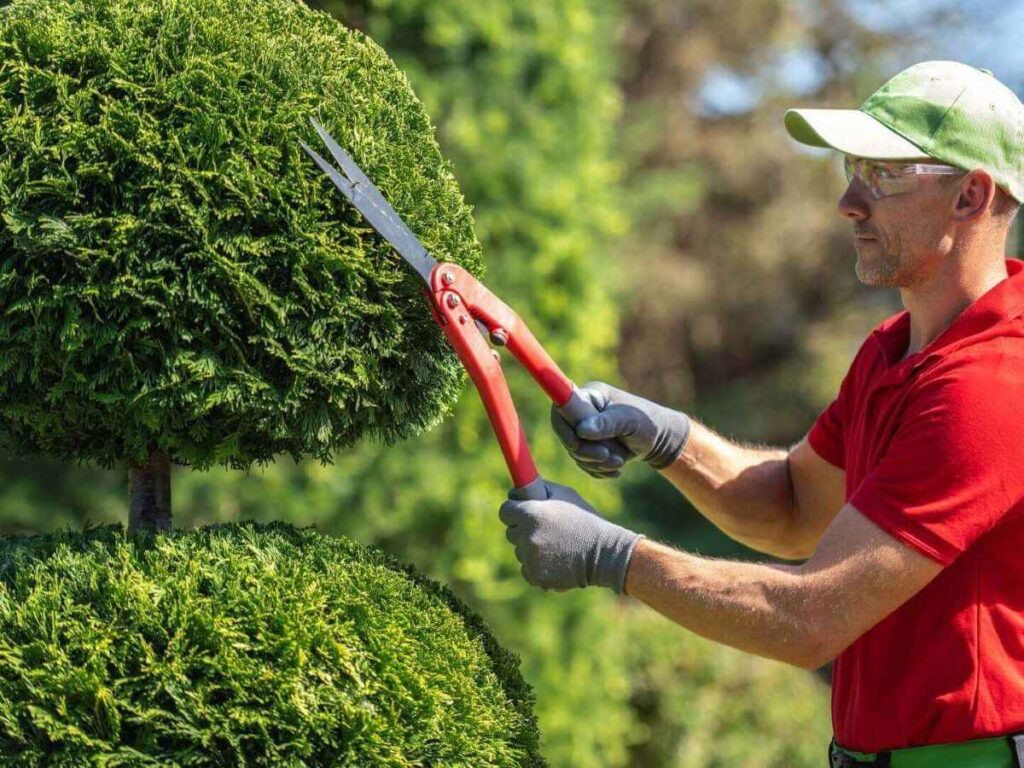
How should they plan hedge heights so the garden stays balanced?
They should match hedge height to purpose. Low hedges work best for defining borders without blocking views. Medium hedges create separation while keeping openness. Tall hedges provide privacy and strong backdrop structure.
Balance matters across the garden. If one side is tall and heavy, the other side can look empty unless it is supported by trees, layered planting, or another structural element.
How can they use hedge cutting to highlight focal points?
They can cut hedges to create intentional “reveals.” A trimmed opening can direct the eye to a water feature, a specimen plant, or a bench.
They can also use a hedge as a clean backdrop. Flowers and architectural plants stand out more against a flat green wall, which makes the garden feel curated without adding more clutter.
What simple hedge-first design checklist can they follow?
They can keep it simple and still get designer-level results by using a short checklist:
- Decide what the hedge is for: border, privacy, windbreak, backdrop, or division.
- Set a consistent height line across each hedge run.
- Maintain a slight taper: narrower at the top, broader at the base.
- Cut in stages rather than removing too much at once.
- Step back often to check straightness and symmetry.
- Clean up clippings immediately so the finish looks sharp.
A garden design plan often starts on paper, but it becomes real when the structure is crisp. When hedges are cut properly, everything that follows looks more cohesive.
Other Resources : Landscaping and garden designLandscaping and garden design
FAQs (Frequently Asked Questions)
How does hedge cutting influence overall garden design?
Hedge cutting sets the garden’s boundaries, sightlines, and rhythm, creating clear geometry that guides the eye and makes design choices easier. Properly trimmed hedges make paths look straighter, beds fuller, and focal points more obvious, turning even simple gardens into well-planned spaces.
What are effective ways to use hedges to frame garden features?
Treat hedges like picture frames by trimming them consistently to guide attention toward key elements such as lawns, seating areas, sculptures, or ornamental trees. Maintaining uniform cuts ensures the frame effect remains strong and the garden feels intentional, even with relaxed planting styles.
Which hedge shapes help make a garden appear larger and more spacious?
Simple shapes like straight planes and gentle curves create a confident look that helps the eye travel smoothly without visual clutter. Additionally, tapering hedges slightly narrower at the top than the bottom prevents shading, encourages dense growth, and keeps lines clean from a distance.
When is the best time to cut hedges for healthy and dense growth?
Timing varies by species, but regular, lighter trims generally promote denser and more even coverage than infrequent aggressive cuts. Avoid cutting into old wood that doesn’t regrow well to prevent bare patches which can disrupt the overall garden design.
How do clean hedge lines enhance paths and borders in a garden?
Cleanly trimmed hedge edges running parallel to paths elevate even simple gravel or mulch walkways by making them appear intentional design choices. Low neatly trimmed hedges can also define bed edges effectively, replacing hard edging materials and organizing planting beds with softer lines.
What common hedge-cutting mistakes should be avoided to maintain a well-designed garden look?
Avoid uneven height and wavering lines that cause an accidental appearance. Also, prevent hedges from being wider at the top than the base as this blocks light from lower branches leading to sparse ‘bare legs,’ weakening structure and making borders look thin.
Comments are closed