
This guide covers the practical checks they should make before booking a removal, so they avoid delays, disputes, and unexpected costs.
Do they need council approval for tree removal in North Epping?
Often, yes. In many parts of Sydney, trees are protected under local planning rules, and Epping tree removal or heavy pruning can require approval, especially for larger or significant trees.
Before starting any work, they should check with their local council to confirm whether permits apply to their tree’s species, height, trunk diameter, or location. If they skip this step, they risk fines and being ordered to replace the tree.
How can they tell whether a tree is actually unsafe?
A tree can be unhealthy without being immediately dangerous, and the difference matters. Clear warning signs include major cracks, lifting soil around the base, large dead limbs, hollowing, fungal growth, or sudden leaning.
Residents should not rely on guesswork. A qualified arborist can assess structural stability and provide advice on whether removal is necessary or whether pruning, bracing, or treatment is enough.
What risks do they face if they remove a tree without the right process?
The biggest risks are legal, financial, and safety-related. Unapproved removal can trigger council penalties, neighbour disputes, and insurance issues if damage occurs.
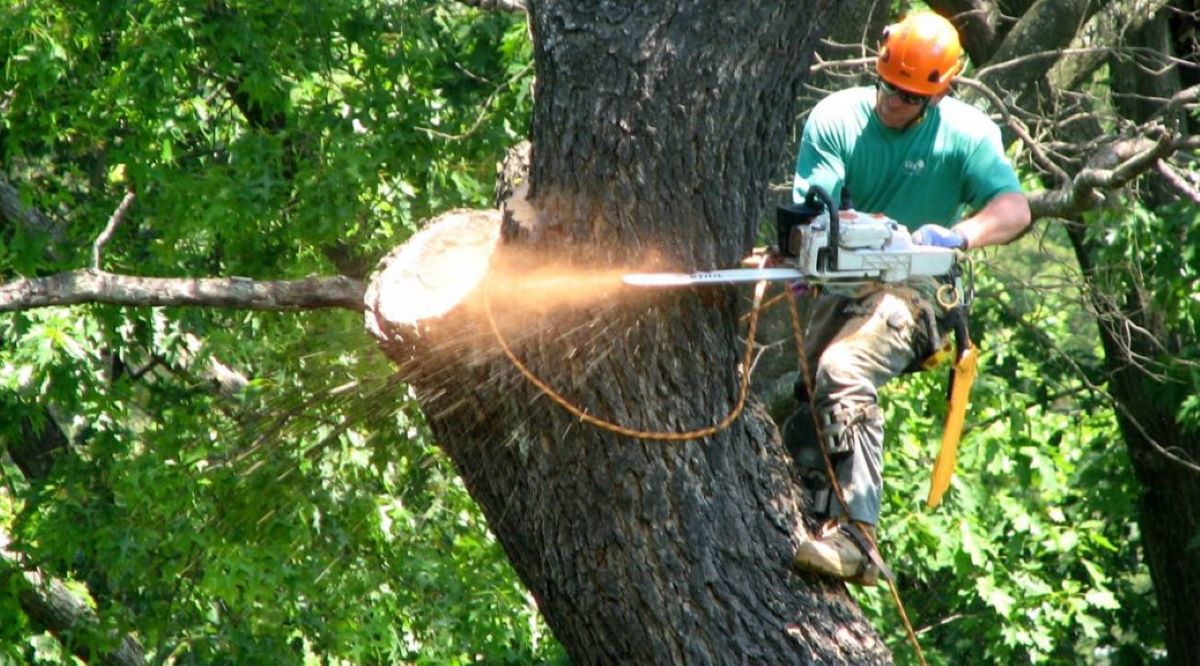
There is also physical risk. Tree removal involves working at height, unpredictable limb movement, and chainsaw use near homes, fences, and power lines. If something goes wrong, the property owner can still be exposed, even if a contractor was hired.
How do they choose the right tree removal team?
They should look for an experienced arborist team that is insured and prepared to explain the process clearly. A good operator will ask about access, nearby structures, and whether power lines are present, then provide a written quote.
Residents should confirm public liability insurance, ask who will be onsite, and ensure the quote includes cleanup. If the team cannot explain how they will control the drop zone, it is a red flag.
What should they ask about power lines and tight access?
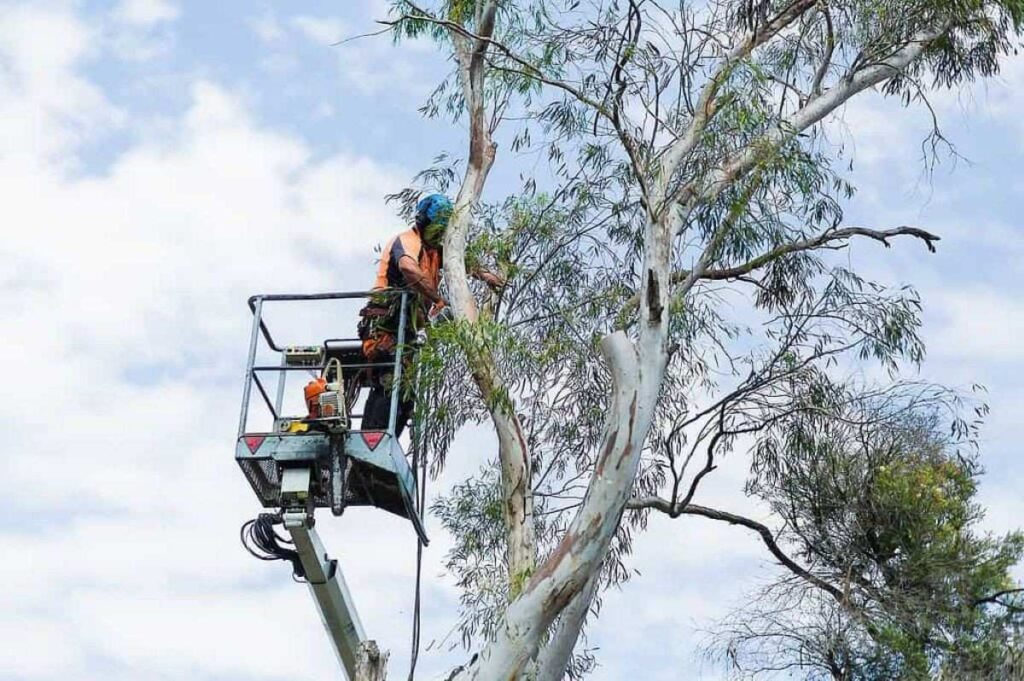
If the tree is close to power lines, extra precautions and coordination may be required. In some cases, only specially qualified crews should work near live lines, and there may be shutdown rules or separation distances.
Access also affects cost and method. If there is limited backyard entry, they may need rigging, sectional dismantling, or specialised equipment. Residents should expect the contractor to inspect access before locking in a final price.
Who is responsible if the tree is near a boundary or affects neighbours?
Responsibility can get complicated near fences and overhangs. Even if a tree stands on one property, branches can extend over a neighbour’s roof, gutters, pool, or garden.
Residents should communicate early with neighbours, especially if the work requires access to their side or if falling debris could affect them. Written agreement is safer than verbal, and it helps prevent disputes on the day of removal.
What factors change the total tree removal cost in North Epping?
Price is usually driven by risk and complexity, not just size. Tall trees near homes, trees with heavy lean, termite damage, multiple stems, or difficult access typically cost more.
Other common add-ons include traffic control, crane work, stump grinding, green waste removal, and after-hours scheduling. Residents should ask for an itemised quote so they can compare accurately.
What happens to the stump after tree removal?
Tree removal does not always include stump removal. If the stump stays, it can reshoot, attract pests, become a trip hazard, and complicate future landscaping.
If they want the area cleared for turf, paving, or replanting, they should request stump grinding. They should also confirm the grind depth and whether the contractor will remove the mulch pile or leave it onsite.
How should they prepare the property before the crew arrives?
Preparation reduces delays and helps the job run safely. Residents should clear vehicles from the driveway, keep children and pets inside, and move outdoor furniture, pot plants, or fragile items away from the work zone.
They should also tell the contractor about hidden utilities, septic systems, or irrigation lines. If access requires a gate to be removed or a fence panel to be taken down, it should be agreed in advance. Read more about Preservation Digitisation Standards.
What should they expect after the tree is removed?
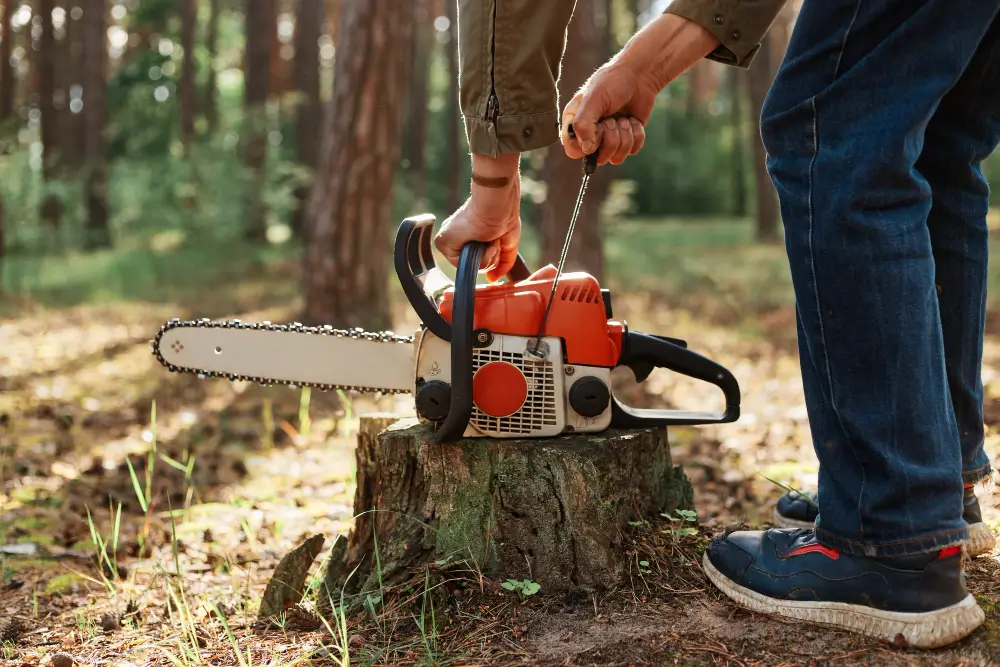
They should expect noise, sawdust, and a worksite that looks rough until cleanup is complete. A professional team will remove logs and branches, rake the area, and leave it in a safe condition.
Residents should walk the site before the team leaves and confirm what has been taken, what has been left, and whether stump grinding was completed. If any damage occurred to lawns, garden beds, or edging, it is best addressed immediately.
Should they replant, and what should they consider if they do?
Replanting can improve shade, privacy, and habitat, but it should be planned properly. They should choose species that suit the block size, soil, and proximity to buildings and services.
They should also avoid planting large trees too close to homes, fences, and drainage lines. If the removed tree was significant for canopy cover, they may consider planting smaller natives in better positions rather than repeating the same long-term risks.
What is the simplest checklist they can follow before booking?
They should keep it practical and confirm the essentials first. The simplest checklist is: verify council rules, get an arborist assessment, request a written quote, confirm insurance, clarify stump options, and notify neighbours if needed.
If they do those steps, tree removal in North Epping is far more likely to be safe, compliant, and predictable.
More to Read : Garden Design Tips That Start With Proper Hedge Cutting
FAQs (Frequently Asked Questions)
Do I need council approval for tree removal in North Epping?
Yes, in many parts of Sydney including North Epping, trees are protected under local planning rules. Removal or heavy pruning often requires council approval, especially for larger or significant trees. It’s essential to check with your local council before starting any work to avoid fines or being ordered to replace the tree.
How can I determine if a tree in my yard is unsafe and needs removal?
A tree may be unhealthy without being immediately dangerous. Warning signs include major cracks, soil lifting around the base, large dead limbs, hollowing, fungal growth, or sudden leaning. It’s best to have a qualified arborist assess the tree’s structural stability to decide if removal, pruning, bracing, or treatment is appropriate.
What risks do I face if I remove a tree without following the correct process in North Epping?
Removing a tree without proper approvals can lead to legal penalties from the council, neighbour disputes, and insurance complications if damage occurs. Physically, tree removal involves hazards like working at height and chainsaw use near homes and power lines. Property owners may still be liable for accidents even when hiring contractors.
How do I choose the right professional team for tree removal in North Epping?
Look for an experienced arborist team that is fully insured and willing to explain the entire process clearly. They should inquire about site access, nearby structures, and power lines before providing a written quote that includes cleanup. Confirm their public liability insurance and ensure they have a clear plan for controlling the drop zone.
What should I consider regarding power lines and limited access when removing a tree?
Trees near power lines require extra precautions; only specially qualified crews may work near live wires with possible shutdowns or safety distances enforced. Limited backyard access can increase costs and necessitate rigging or specialized equipment. Contractors should inspect access beforehand to provide an accurate final price.
Who is responsible if a tree near my property boundary affects my neighbours?
Responsibility can be complex when branches overhang neighbouring properties. It’s important to communicate early with neighbours about planned tree work, especially if access to their side is needed or debris might fall on their property. Having written agreements helps prevent disputes during removal.
Comments are closed