
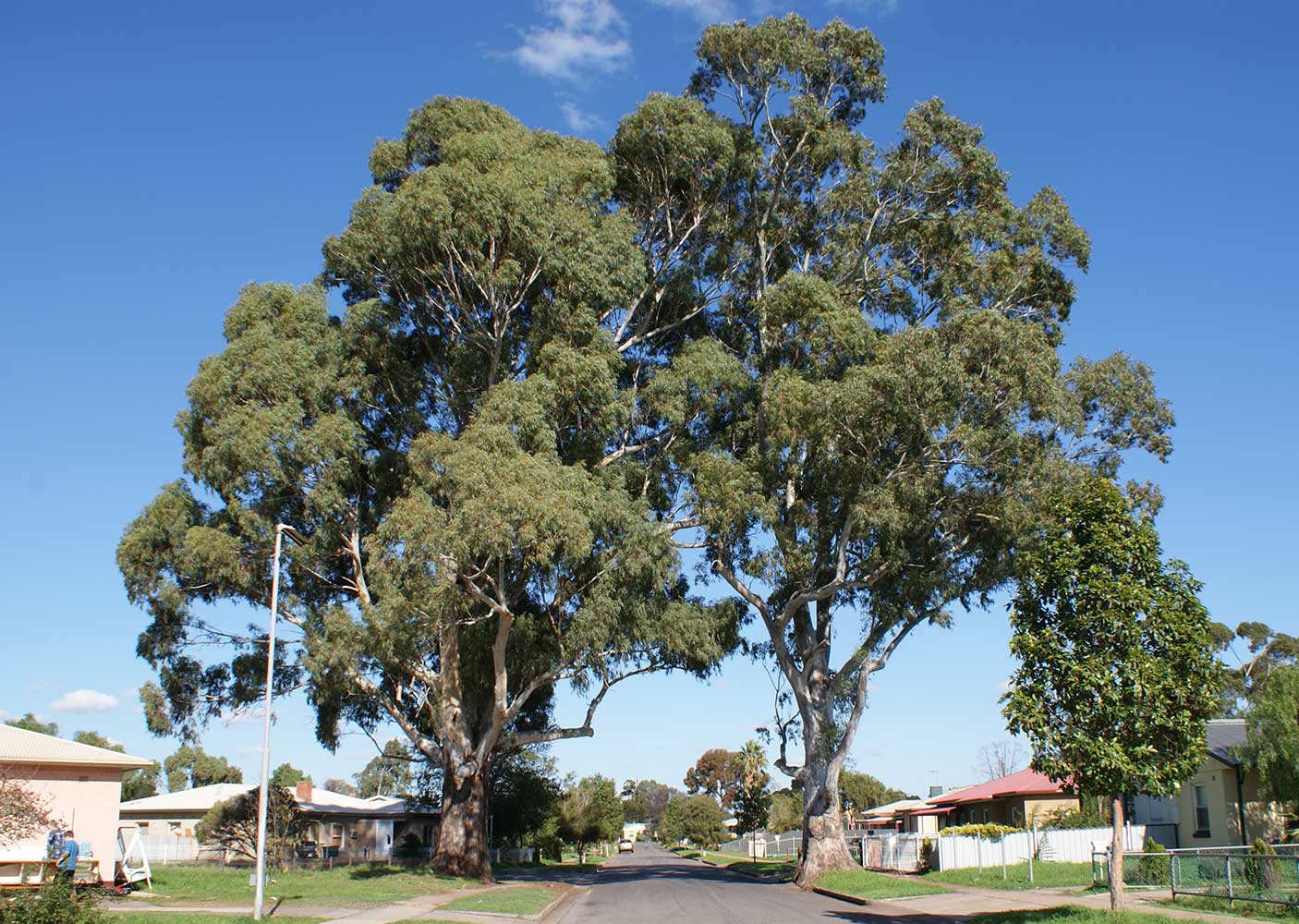
Good pruning is the cheapest tree work you will ever buy. It keeps a tree structurally sound, reduces the chance of a limb failure over your roof, and often removes the need for a removal ten years later. Bad pruning does the opposite, and it is depressingly common across Sydney. This guide covers what to ask for, when to ask for it, and what it should cost.
The Five Types of Pruning You Can Actually Order
Crown thinning. Selective removal of interior branches to reduce canopy density without changing the overall shape or size. Best choice when you want more light or wind to pass through.
Crown lifting. Removal of the lowest branches to raise the canopy clear of a roof, fence, driveway or footpath. Cheap, effective and low impact on tree health.
Crown reduction. Shortening the outer canopy back to suitable lateral branches to reduce overall height and spread. This is the correct alternative to topping, and it is limited by how much of the canopy the species will tolerate losing.
Deadwooding. Removal of dead, dying, diseased or damaged branches. This is the single highest-value pruning type for risk reduction and it does not stress the tree at all.
Formative pruning. Tree Pruning on young trees to establish a single dominant leader and well-spaced scaffold limbs. Ten minutes on a three-year-old tree saves thousands on a thirty-year-old one.
The Cut Itself Is What Separates Good From Bad
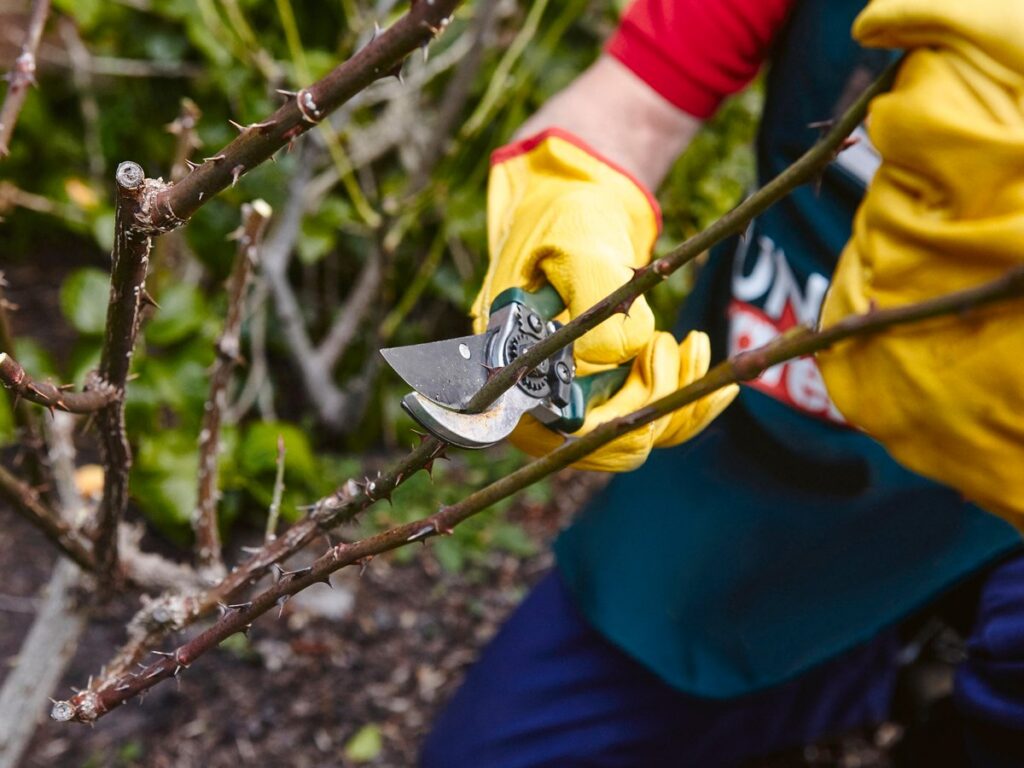
Every pruning cut should be made just outside the branch collar, the slight swelling where the branch meets the parent stem. Cut there and the tree can seal the wound with its own natural defences. Cut flush into the trunk and you destroy that tissue, opening a decay pathway into the main stem. Leave a long stub and the stub dies back and decays instead.
For any branch heavier than you can hold with one hand, the three-cut method is mandatory: an undercut about a third of the way through, a top cut slightly further out to drop the weight cleanly, then a final cut at the collar. Skip the undercut and the falling branch tears a strip of bark down the trunk.
In Australia, the reference standard is AS 4373 Pruning of Amenity Trees. Any quote that cites it is a good sign.
When Sydney Councils Require Consent to Prune
Most people assume pruning is unregulated. It is not. Across Sydney, a common threshold is that removing more than ten per cent of the canopy within a twelve-month period requires council consent, and some councils regulate individual cuts over a set diameter.
Councils are also increasingly explicit about which reasons they will not accept. Ku-ring-gai Council, for instance, publishes tree assessment guidelines that expressly rule out leaf, fruit or sap drop, wanting more light, improving views and bird droppings as valid grounds. Reading your own council document before applying tells you how to frame a request that will actually succeed: structural defect, encroachment on a building, or clearance from a service.
Timing by Species in the Sydney Climate
Eucalypts and most Sydney natives tolerate pruning year round, but avoid heavy work in the peak of a February heatwave.
Deciduous exotics such as liquidambar, plane, ornamental pear and maple are best pruned in late winter while dormant, roughly July to early August.
Spring-flowering species should be pruned immediately after flowering so you do not remove next season buds.
Fruit trees follow their own calendar: stone fruit in summer after harvest to limit disease entry, pome fruit in winter.
Palms can be de-fronded any time. Only remove fully brown fronds and seed pods, never green ones, since palms cannot regenerate a trunk.
One universal rule: never remove more than about a quarter of the live canopy in a single year on a mature tree.
What Pruning Costs in Sydney
- Small tree, light prune or deadwood: $200 to $450
- Medium tree, thinning or crown lift: $450 to $1,200
- Mature gum, crown reduction and deadwood: $1,200 to $3,500
- Palm frond clean-up, per palm: $80 to $250
- Hedge and screen maintenance, per hour: $90 to $150
Add $500 to $900 a day if an elevated work platform is required, and expect a premium for work over a pool, a conservatory or a neighbour glasshouse.
Why It Is Worth Doing Properly
Pruning is not just about your own risk. Sydney canopy is a public health asset. A synthesis review prepared for the Clean Air and Urban Landscapes Hub on the benefits of urban green space in the Australian context documents measurable effects on heat, air quality, physical activity and mental health. Every mature tree kept structurally sound through good pruning is one that does not need replacing with a sapling that will take thirty years to deliver the same benefit.
What to Put in the Contractor Brief
Specify the species, the specific outcome you want, the pruning type by name, a reference to AS 4373, whether council consent has been obtained, who lodges the paperwork, how green waste is handled and whether you want the chip left on site. Ask for the climber qualification. Certificate III in Arboriculture is the minimum for anyone working aloft.
Common Mistakes to Avoid
Do not prune to fix a shading problem that gutter guard or a skylight would solve better. Do not prune the same tree hard every two years, which just accelerates regrowth. Do not let a contractor lion-tail a tree by stripping interior growth and leaving tufts at the ends of limbs, since that concentrates load at the tips and increases failure risk. And do not paint wounds with sealant. Trees seal themselves and paint traps moisture.
Bottom Line
Name the pruning type you want, reference AS 4373, check the consent threshold, prune to the right season for the species, and never accept a quote that just says trim tree. Good pruning is the cheapest insurance in your garden.
Comments are closed