
What Is Green Waste and Why Does Its Proper Management Matter?
Green waste encompasses all biodegradable organic material generated from gardens and outdoor spaces. This includes grass clippings, fallen leaves, pruned branches, hedge trimmings, plant cuttings, and other natural garden debris that decomposes over time.
What happens when green waste isn’t managed properly?
Improper disposal creates significant environmental and health problems. When green waste ends up in landfill, it decomposes anaerobically (without oxygen), producing methane—a greenhouse gas 25 times more potent than carbon dioxide. The decomposing material also attracts rats, flies, and other pests whilst generating unpleasant odours that affect surrounding communities. Understanding the green waste removal cost helps property owners plan responsible disposal methods that prevent these issues and support sustainable practices.
Overflowing bins and accumulated garden waste become breeding grounds for disease-carrying insects. The sheer volume of organic material taking up landfill space means less room for non-biodegradable waste that genuinely requires disposal facilities.
How does proper green waste management benefit the environment?
Responsible handling transforms potential waste into valuable resources. When processed correctly through composting or mulching, green waste becomes:
- Nutrient-rich soil amendment that improves garden health and reduces the need for chemical fertilisers
- Natural mulch that retains soil moisture and suppresses weed growth
- Carbon storage rather than methane emissions when kept out of landfill
- Habitat support for beneficial soil organisms and microbes
Proper management directly contributes to environmental sustainability by closing the nutrient loop. Instead of discarding organic matter that nature designed to decompose and nourish soil, effective green waste handling returns these nutrients where they belong—back into the earth.
The choice between professional green waste removal and DIY composting significantly impacts how much time you invest in achieving these environmental benefits.

How Does Professional Green Waste Removal Work?
Professional green waste removal services operate through a systematic collection and processing approach that transforms garden debris into valuable resources. These companies arrive at your property with specialised vehicles, collect all designated organic material, and transport it to dedicated processing facilities where it undergoes sorting, shredding, and conversion into products like mulch, compost, or biomass fuel.
The collection process typically begins with scheduling a pickup—either as a one-off service or through regular subscription arrangements. Service providers assess the volume and type of waste, then dispatch appropriately sized vehicles and crews. Upon arrival, trained professionals quickly load materials using efficient techniques that minimise disruption to your property.
The Role of Specialised Equipment
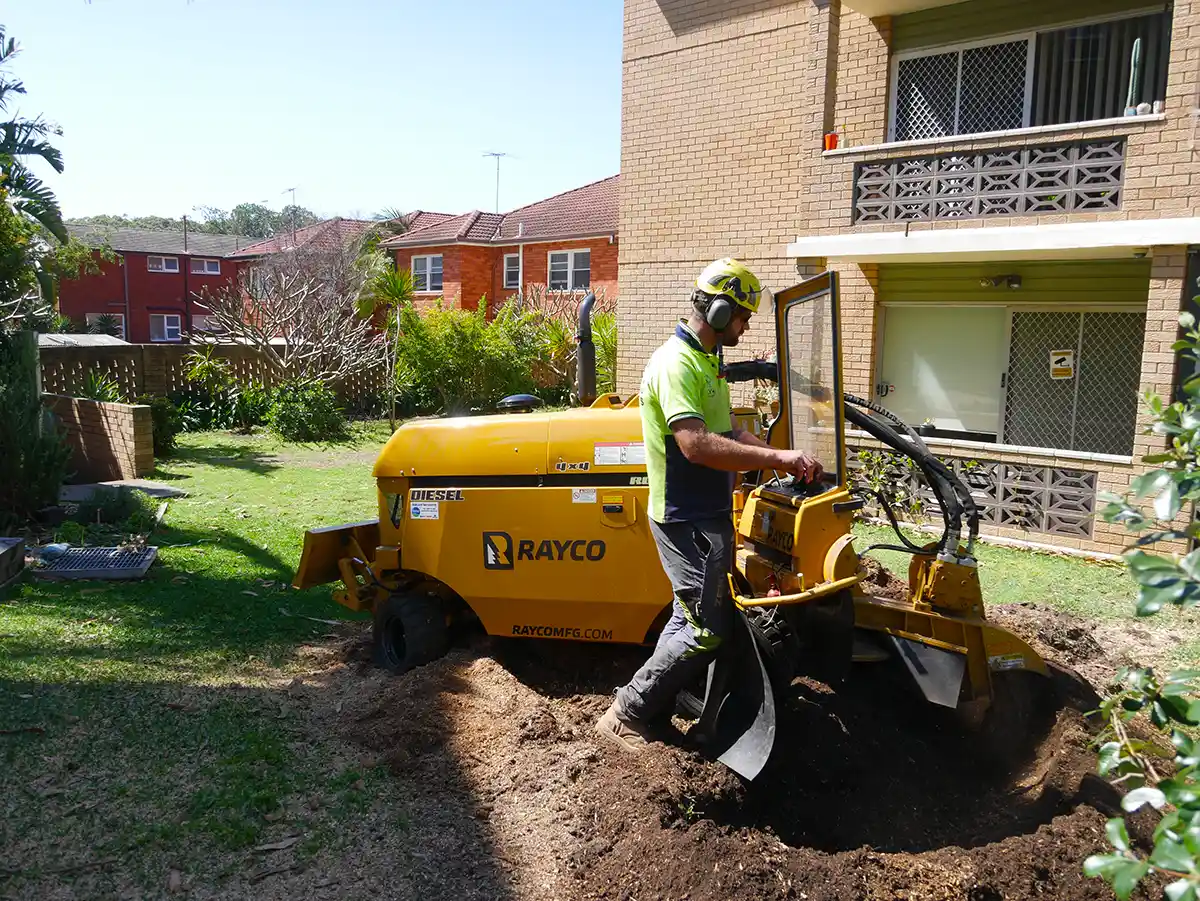
Specialised equipment sets professional services apart from manual handling methods. Industrial wood chippers process branches and woody material at remarkable speeds, reducing bulky limbs into uniform chips within minutes. Hydraulic loaders and grabbers handle large volumes of leaves, grass clippings, and hedge trimmings with minimal physical strain.
These machines accomplish in hours what would take days of manual labour. A single chipper can process several cubic metres of branches per hour, whilst vacuum systems collect loose materials like leaves with precision. The equipment also ensures safety—professionals manage heavy or awkward items without risk of personal injury.
Environmentally Responsible Disposal Methods
Processing facilities employ environmentally responsible disposal techniques that prioritise resource recovery over landfill dumping. Green waste undergoes mechanical separation to remove contaminants, then follows one of several sustainable pathways:
- Composting operations create nutrient-rich soil amendments through controlled decomposition
- Mulch production transforms woody material into garden ground cover and moisture retention products
- Biomass energy generation converts organic matter into renewable fuel sources
- Soil blending incorporates processed materials into commercial growing media
These facilities maintain optimal conditions for decomposition, including temperature monitoring, moisture control, and regular aeration. The controlled environment prevents methane emissions that occur when organic waste decomposes anaerobically in landfills.
Health and Ecological Advantages
Professional handling delivers significant health benefits by removing breeding grounds for disease-carrying pests. Accumulated green waste attracts rodents, mosquitoes, and other vectors that pose health risks to households and neighbourhoods.
What Are the Time-Saving Advantages of Professional Green Waste Removal?
Professional green waste removal saves you hours of hard work by taking care of collection, transportation, and disposal all in one go. What might take a homeowner an entire weekend—loading wheelbarrows, making multiple trips to the tip, and waiting in disposal queues—can be done in just a few hours when experts come with heavy-duty equipment and vehicles made for large volume disposal.
How Quickly Can Professionals Handle Substantial Quantities?
Professional teams can handle garden waste much faster than you could do it yourself. A two-person crew with a chipper-shredder and commercial truck can clear several cubic metres of branches, hedge trimmings, and lawn clippings in under two hours. The same amount would require multiple car journeys and possibly several days for a homeowner to transport and dispose of properly.
The time-saving becomes especially clear during seasonal clean-ups:
- Spring pruning waste cleared in one morning instead of spreading across weekends
- Autumn leaf collection finished before decomposition creates slippery hazards
- Storm damage debris removed within 24-48 hours of booking
What Scheduling Flexibility Do These Services Offer?
Modern green waste removal companies offer booking options that fit around your schedule instead of making you adjust to tip opening hours. Subscription-based services arrange regular collections—weekly, fortnightly, or monthly—that match your garden’s maintenance routine. You simply leave filled bins or bags at a designated spot, and collection happens without needing your presence.
On-demand services offer equal convenience for irregular needs. Most providers accept bookings through online platforms or phone calls, with many offering same-week or next-day collection slots. This flexibility proves invaluable when unexpected garden projects generate waste volumes beyond normal capacity, such as tree removals or major landscaping renovations.
How Does This Compare to Personal Labour Requirements?
DIY disposal requires a lot of physical effort beyond the actual gardening work. Homeowners have to load waste into vehicles, secure it for transport, drive to disposal facilities, unload again, and repeat the process multiple times for larger projects. Each trip uses petrol, wears down the vehicle, and drains personal energy.
Professional removal services get rid of this entire chain of tasks. Your involvement ends when you’ve placed waste.
What Does DIY Composting Involve?
DIY composting transforms kitchen scraps and garden waste into nutrient-rich soil amendment through controlled decomposition at home. The DIY composting process requires setting up a dedicated system, actively managing materials, and addressing challenges that arise during the breakdown of organic waste management.
Setting Up Your Composting System
Home composting begins with choosing between compost bins, tumblers, or open piles depending on available space and aesthetic preferences. Bins can be purchased ready-made from garden centres or constructed from pallets, wire mesh, or recycled materials. The ideal location offers partial shade, good drainage, and easy access for adding materials and harvesting finished compost.
Size matters when establishing a composting system. A minimum volume of one cubic metre helps maintain the heat necessary for efficient decomposition, though smaller households may opt for compact bins or tumblers. The structure should allow air circulation whilst retaining moisture and heat.
Sorting and Layering Materials
Successful composting requires balancing “green” nitrogen-rich materials with “brown” carbon-rich components. Green materials include:
- Fresh grass clippings
- Vegetable peelings and fruit scraps
- Coffee grounds and tea bags
- Fresh plant trimmings
Brown materials provide structure and carbon:
- Dry leaves and straw
- Shredded newspaper and cardboard
- Woody prunings and sawdust
- Egg cartons and paper towels
The recommended ratio sits around 2-3 parts brown to 1 part green material. Layering these components creates optimal conditions for microorganisms to break down organic matter efficiently.
Regular Maintenance Requirements
Compost bins demand consistent attention to function properly. Turning or aerating the pile every 1-2 weeks introduces oxygen that beneficial bacteria need to decompose materials. This physical labour becomes more demanding with larger volumes or when using open piles rather than rotating tumblers.
Moisture levels require monitoring throughout the composting process. The mixture should feel like a wrung-out sponge—damp but not waterlogged. Dry compost slows decomposition whilst excessive moisture creates anaerobic conditions that produce unpleasant odours. Adding water during dry periods or incorporating dry browns
How Much Time Does DIY Composting Require Compared to Professional Services?
DIY composting requires a consistent time commitment that professional services completely eliminate. While a green waste removal company takes care of your garden waste in one collection visit, home composting needs 15-30 minutes of maintenance time several times a week, which amounts to about 2-4 hours of ongoing effort each month.
Daily and Weekly Maintenance Tasks
Successful composting isn’t something you can do once and forget about. You’ll need to:
- Monitor moisture levels every 2-3 days, adding water during dry spells or dry materials when it’s too wet
- Turn the compost pile weekly to aerate and speed up decomposition (10-20 minutes per session)
- Chop or shred larger branches and stems before adding them to speed up breakdown
- Balance “green” nitrogen-rich materials with “brown” carbon-rich materials each time you add something new
- Check the internal temperature to make sure proper decomposition is happening
These tasks can add up quickly. A typical gardener might spend 20 minutes twice a week just on turning and monitoring, not including the time spent preparing materials.
Volume Challenges at Home
Large-scale garden clean-ups reveal the limitations of DIY composting. A single autumn leaf collection or hedge trimming session can produce 10-15 bags of green waste—far more than what a typical home compost bin can hold (200-330 litres). You’ll encounter several time-consuming situations:
Processing bottlenecks: Waiting months for existing compost to break down before adding new material means storing excess waste in bags or creating multiple compost heaps, each requiring separate maintenance.
Physical labour intensity: Moving and turning large volumes becomes tiring. What takes a professional crew 30 minutes with mechanical equipment might take up your entire weekend.
Space constraints: Multiple compost bins take up a lot of space in your garden and need regular monitoring, increasing the time commitment DIY composting activities require.
Pest and Odour Management Time
Problem-solving can add unpredictable hours to your composting routine. Professional removal services prevent these issues entirely through immediate collection, while DIY composters must actively troubleshoot:
- Investigating and addressing foul smells (usually caused by anaerobic conditions) by completely turning and restructuring.
What Are the Cost Implications Between Green Waste Removal Services and DIY Composting?
Professional green waste removal services typically charge based on volume, frequency, and location. The costs for these services can range from £30 to £80 for standard collections, and potentially several hundred pounds for large-scale clear-ups or tree removal. Such yard waste disposal services vary significantly depending on whether you opt for one-off collections, regular scheduled pickups, or subscription-based models that offer better value for consistent waste generators.
Understanding Professional Service Pricing Models
Most providers structure their fees around the quantity of waste removed, which is measured either by weight, volume (cubic metres), or bag count. Urban areas often command higher rates due to disposal facility access and operating costs, whilst rural locations may incur additional travel charges. Subscription services averaging £15 to £40 monthly provide predictable budgeting for homeowners with ongoing garden maintenance needs, whereas on-demand collections suit seasonal gardeners who generate waste sporadically.
Factors influencing service fees include:
- Property accessibility and distance from disposal facilities
- Type of waste (standard clippings versus heavy branches or tree stumps)
- Frequency of collection required
- Additional services like pruning or garden clearance
- Local council regulations and disposal facility charges
For a detailed understanding of yard cleanup cost, it’s essential to consider these factors.
The True Cost-Effectiveness of DIY Composting
DIY composting eliminates ongoing service fees entirely, requiring only an initial investment of £20 to £150 for a compost bin or materials to build a pile. This upfront cost delivers long-term savings, particularly for avid gardeners who generate consistent volumes of green waste. The financial benefit extends beyond disposal savings—homemade compost replaces purchased soil amendments worth £5 to £15 per bag.
The cost comparison shifts when accounting for time investment. If your hourly value is £20 and you spend three hours weekly managing compost (turning, monitoring, troubleshooting), that represents £60 in opportunity cost weekly or roughly £3,120 annually. Professional services costing £40 monthly total £480 yearly—a stark difference when time holds monetary value.
Balancing Value Beyond Direct Costs
The cost-effectiveness calculation extends beyond simple pound-for-pound comparisons. Professional services deliver guaranteed waste removal without equipment purchases, physical strain, or space allocation in your garden. DIY composting demands more time and effort which could be spent on other productive activities.
Which Method Best Fits Different Needs Based on Time Availability and Waste Volume?
When Should You Choose Professional Green Waste Removal?
Professional removal services work best for homeowners with limited time or those managing substantial quantities of garden waste. Busy professionals, elderly gardeners, or anyone juggling multiple responsibilities benefit from the hands-off approach these services provide.
Ideal scenarios for professional removal include:
- Properties generating multiple wheelie bins of waste weekly
- Post-storm clean-ups requiring immediate large-scale clearance
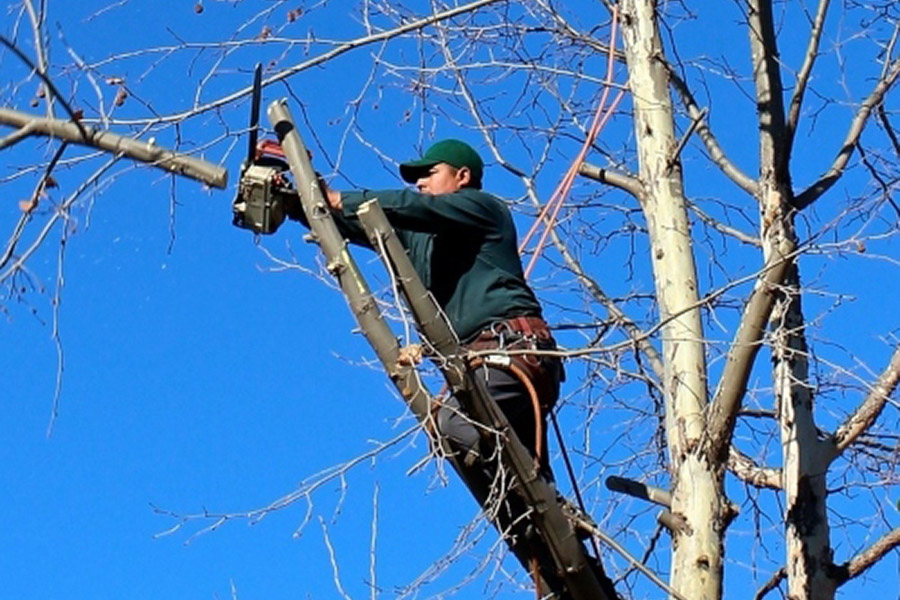
- Tree pruning or hedge trimming projects producing bulky branches
- Rental properties where landlords need reliable, scheduled maintenance
- Gardens undergoing major landscaping renovations
The time-saving advantage becomes particularly pronounced when dealing with volumes exceeding 200 litres weekly. Attempting to compost this quantity at home would require multiple bins, constant monitoring, and considerable physical effort turning materials.
Who Benefits Most from DIY Composting?
DIY composting suits small-scale gardeners producing modest amounts of green waste who view the time investment as part of their gardening routine. Budget-conscious individuals willing to dedicate 15-30 minutes weekly to compost maintenance find this method both economical and rewarding.
This approach works well for:
- Apartment dwellers with balcony gardens generating minimal trimmings
- Hobby gardeners who enjoy hands-on sustainable practices
- Households producing primarily kitchen scraps and light garden waste
- Those with flexible schedules allowing regular compost tending
- Gardeners seeking nutrient-rich soil amendments for vegetable patches
Properties generating less than 50 litres of green waste weekly typically manage DIY composting without overwhelming effort. The method becomes less practical when waste volume exceeds available bin capacity or when physical limitations make regular turning difficult.
How Do Personal Values Influence the Decision?
Choosing between green waste removal and DIY composting often reflects individual priorities beyond pure practicality. Environmental purists may prefer DIY composting despite time constraints, viewing it as their direct contribution to sustainability. Others prioritise convenience, valuing the mental space freed by outsourcing waste management.
Key considerations when choosing green waste method:
- Environmental commitment: DIY composting keeps waste entirely on-site, creating a closed-loop system
- Time constraints: Professional removal saves time for busy individuals or large-scale projects
- Budget factors: Assess costs associated with each method based on your specific circumstances.
Learn more The Top 4 Reasons to Invest in Professional Stump Grinding
Comments are closed